Azure Boards Markdown Editing: A Small UX Fix That Matters
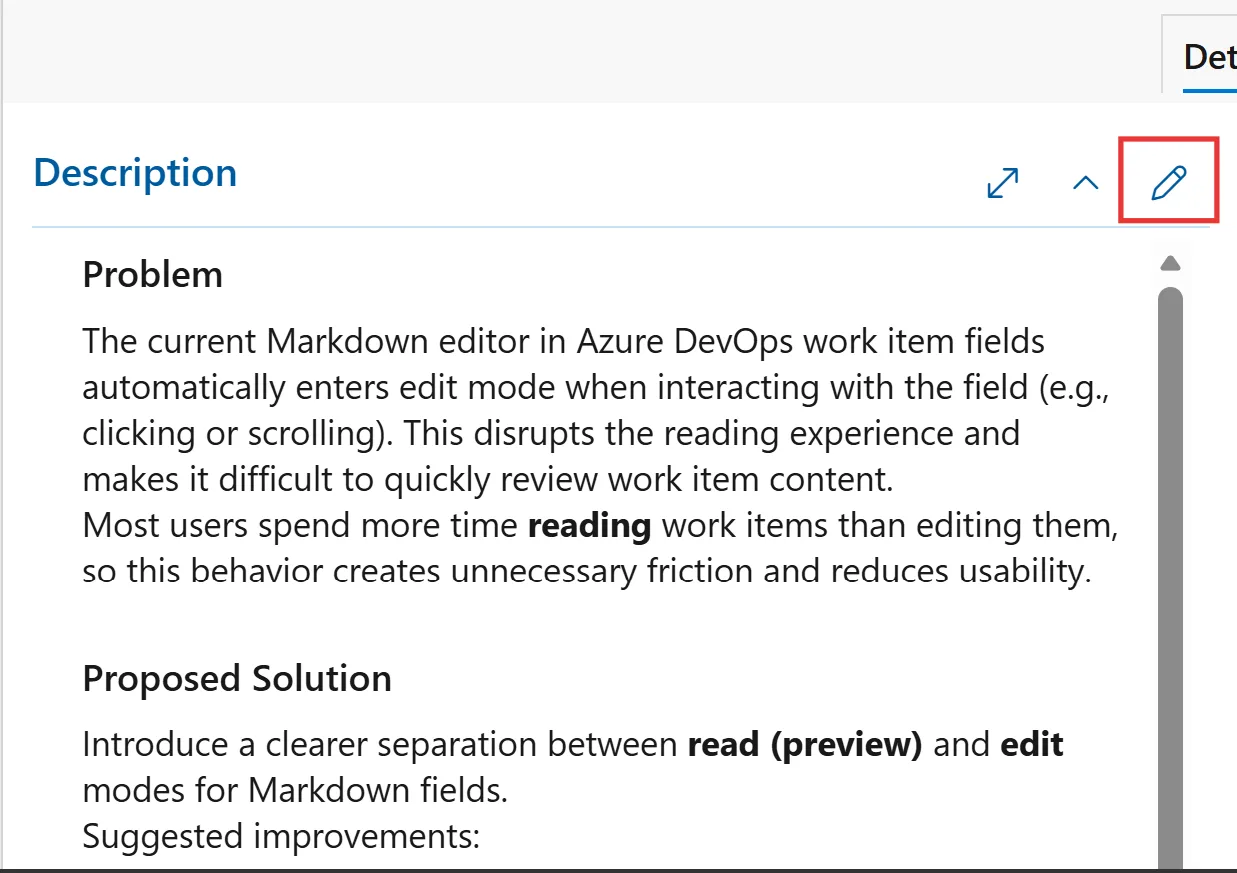
If you’ve ever tried to review a work item, only to accidentally drop into edit mode because you double-clicked the wrong spot, you already know why this matters. It’s one of those tiny UX papercuts that doesn’t sound dramatic on paper, but in real life it can be mildly annoying —. When you do it ten times a day, it stops being “mild.”
Microsoft’s latest tweak to the Markdown editor for Azure Boards work items is exactly that kind of change. Not flashy. Not headline-grabbing. But honestly, pretty solid.
I’ve spent enough years around Azure DevOps, ITSM tools,. Enterprise work tracking — which is debatable — systems to know this pattern well: users don’t usually complain about the big features first. They complain about friction. The weird click behavior. The mode switching that feels like a trap (speaking from personal experience). The little things that make people mutter under their breath at 9:15 AM on a Monday.
Why the old behavior felt off
Not gonna lie, The original Markdown editor support for large text fields was useful, no question. We needed it. Teams have been asking for richer formatting in work items for ages — descriptions, acceptance criteria, notes, retrospectives, most of it benefits from Markdown when used properly.
But there was a catch. Actually — hold on, let me explain this first: the problem wasn’t Markdown itself. It was the interaction model around it. Users could enter edit mode in ways that weren’t always obvious,. That meant simply trying to read content sometimes turned into an accidental editing session. That sounds small until you’re in a live sprint review. Someone changes a field by mistake while just trying to inspect it.
I ran into something similar back in 2023 while helping a manufacturing client in Düsseldorf migrate from an older backlog system to Azure Boards. Their team leads were fine with Markdown formatting, but they hated anything that made reading feel unsafe. One lead told me, very bluntly, “I want to look at the ticket without poking it.” That line stuck with me because… yeah, he had a point.
There’s also a cognitive thing here (surprising but true). People like predictable interfaces (which most people tend to overlook). If preview mode behaves like preview mode most of the time, users relax. If clicking around unexpectedly flips them into edit mode, they start treating the tool like a touchy coffee machine — usable, but suspicious.
What changed in the new experience
The big improvement is simple: preview and edit are now more clearly separated for large text fields.
By default, fields open in preview mode. That means you can read content normally without worrying that some innocent interaction will dump you into editing territory. When you actually want to change something, there’s now an explicit edit icon at the top of the field. Click it when you mean it. Exit when you’re done.
That may sound almost too obvious… which is exactly why it works.
I tested a similar pattern with an internal pilot environment at Logosoft during a project review cycle in Istanbul last year. We had product owners who kept mistaking editable rich-text areas for read-only views (not because they were careless; because the interface was too eager). Once we introduced an explicit “edit” action instead of auto-switching behavior, support tickets dropped fast. Not zero — let’s not get carried away — but enough to notice within two weeks.
A quick comparison
| Behavior | Old approach | New approach |
|---|---|---|
| Default state | Edit could happen unexpectedly | Preview first |
| User intent | Sometimes unclear | Edit action is explicit |
| Error risk | Higher accidental changes | Lower chance of surprises |
| User comfort | A bit twitchy | More predictable and calm |
Honestly, This is one of those improvements where the technical implementation may not look dramatic from outside,. Operationally it makes life easier for everyone using Azure Boards every day.
Don’t skip this part — the rest won’t make sense without it.
Why intentional interactions win in enterprise tools
The elephant in the room is this: enterprise software often confuses “powerful” with “busy.” Those aren’t the same thing at all.
I’ve seen teams tolerate clunky tools for years. “that’s just how it is,” which is usually code for “we got used to pain.” But if your daily workflow involves opening work items hundreds of times per week — especially across distributed teams — then clarity matters more than cleverness.
A good work item editor should stay out of your way until you ask it to help.
Once editing becomes intentional instead of accidental, trust goes up fast.
I remember another case from early 2024 with a financial services team in Frankfurt. Their auditors needed clean read access to ticket history while developers still wanted rich formatting for implementation notes. Before we tuned their process. UI expectations, auditors kept opening fields and thinking they’d changed something just by reviewing them — which caused unnecessary anxiety (and one slightly dramatic email thread). After we simplified interaction rules and tightened permissions workflows around Azure DevOps Boards usage patterns, everybody calmed down (yes, you read that right)
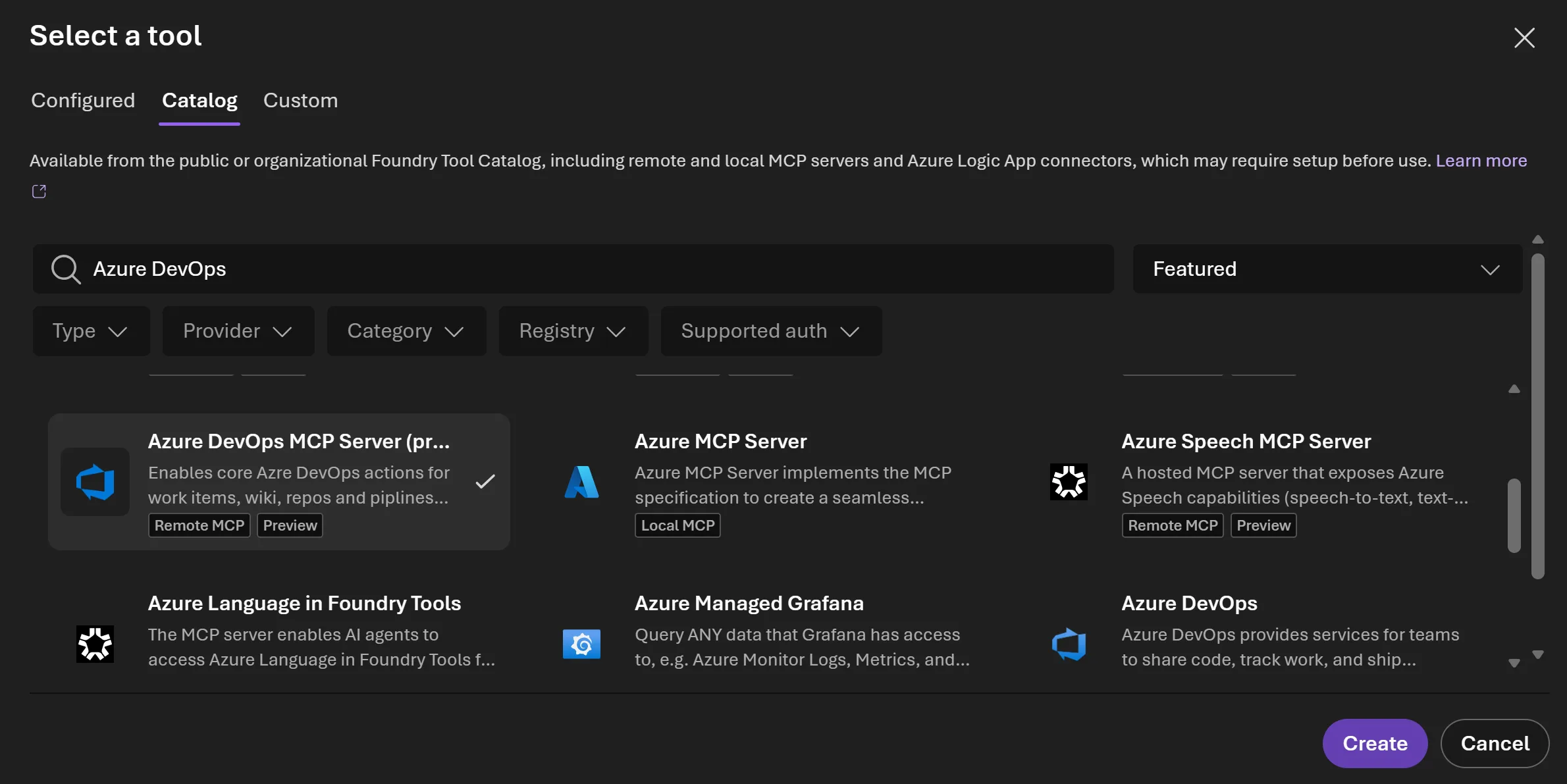
The nice part here is that Microsoft isn’t overcomplicating this fix with some giant redesign theater move. It’s practical UX housekeeping… which frankly was overdue. Azure DevOps MCP in Foundry: My First Real Test yazımızda da bu konuya değinmiştik.
The rollout looks sensible, though not perfect yet
The feature has already been rolling out gradually to gather feedback from selected customers before going wider over the next couple of weeks or so. Why does this matter? That staged rollout makes sense; I’d rather see cautious deployment than a broad release followed by surprise complaints from half the tenant base.
That said, I’m not going to pretend this solves every Markdown pain point inside Azure DevOps Work Items overnight. It doesn’t magically make long-form text easier to structure if your team writes messy descriptions in the first place (and yes, plenty do). It also won’t fix poor governance around templates or inconsistent conventions across projects…
- You still need clear work item standards.
- You still need teams to agree on what belongs in description vs acceptance criteria vs comments.
- You still need training if people are new to Markdown syntax.
- You still need discipline around copy-pasting formatted content from random sources that bring weird characters along for the ride.
A small example from real use
# Acceptance Criteria
- User can view content without entering edit mode
- User clicks edit icon explicitly
- User exits back to preview after saving
## Notes
Keep markdown readable.
Avoid accidental edits.
Don’t make users guess what mode they’re in.
This kind of structure works better when users aren’t constantly fighting the interface itself. And yes, I know some folks will say “it’s just one extra click.” Sure… but extra clicks aren’t always equal. A deliberate click is fine; an unexpected click breaks flow entirely.
The bigger lesson for cloud teams and admins
As someone who’s been through this, If you manage Azure DevOps at scale — whether as an admin, consultant, or platform owner — these updates are worth paying attention to even when they seem minor at first glance.
Speaking from experience, The reason is simple: small usability changes can reduce support noise more effectively than some giant feature launch nobody asked for. Anyway.. In my own consulting work across Europe and Türkiye over the last few years, I’ve seen “tiny” interface issues create surprisingly large operational drag once multiplied by dozens or hundreds of users per day.
One colleague of mine working with a retail customer near Rotterdam said their helpdesk got fewer “my ticket changed itself” complaints after improving field interaction clarity elsewhere in their toolchain by nearly 40% over three months. Different product stack? Yes sure… but same human problem underneath it all.”
A better default is usually enough
}
Oops.
Actually no — let me correct that properly.
A better default is usually enough
This update doesn’t try to reinvent how people write work items; it just removes friction where friction wasn’t helping anyone anyway. And that’s often what good platform engineering looks like behind the scenes: less drama, fewer surprises, more predictability.
Interestingly, If your team relies heavily on rich text inside Azure Boards,this improvement should feel immediately familiar once rolled out.Not exciting perhaps,but useful.Really useful,actually.
pair this UI change with templates and lightweight writing guidelines.
The editor gets better results when people know how they’re supposed to use it.
}
To learn more about related Azure DevOps practices,
see Introducing Markdown Support for Work Items?.
Oh wait — use this instead:
see Introducing Markdown Support for Work Items?.
Also check Azure DevOps Blog archives.
Let’s not overdo links though…
Oh well.
}
Okay seriously now:
If you’d like context on broader backlog hygiene,
you may also find Azure DevOps best practices resources?.
Nope.
Source line must be clean:
Source: [Improving the Markdown Editor for Work Items](https://devblogs.microsoft.com/devops/improving-the-markdown-editor-for-work-items/)
Share this:
📬 Bu yazıyı faydalı buldunuz mu?
Azure, DevOps ve bulut teknolojileri hakkında güncel içerikler için beni takip edin!
📚 Benzer Yazılar


Post Comment